
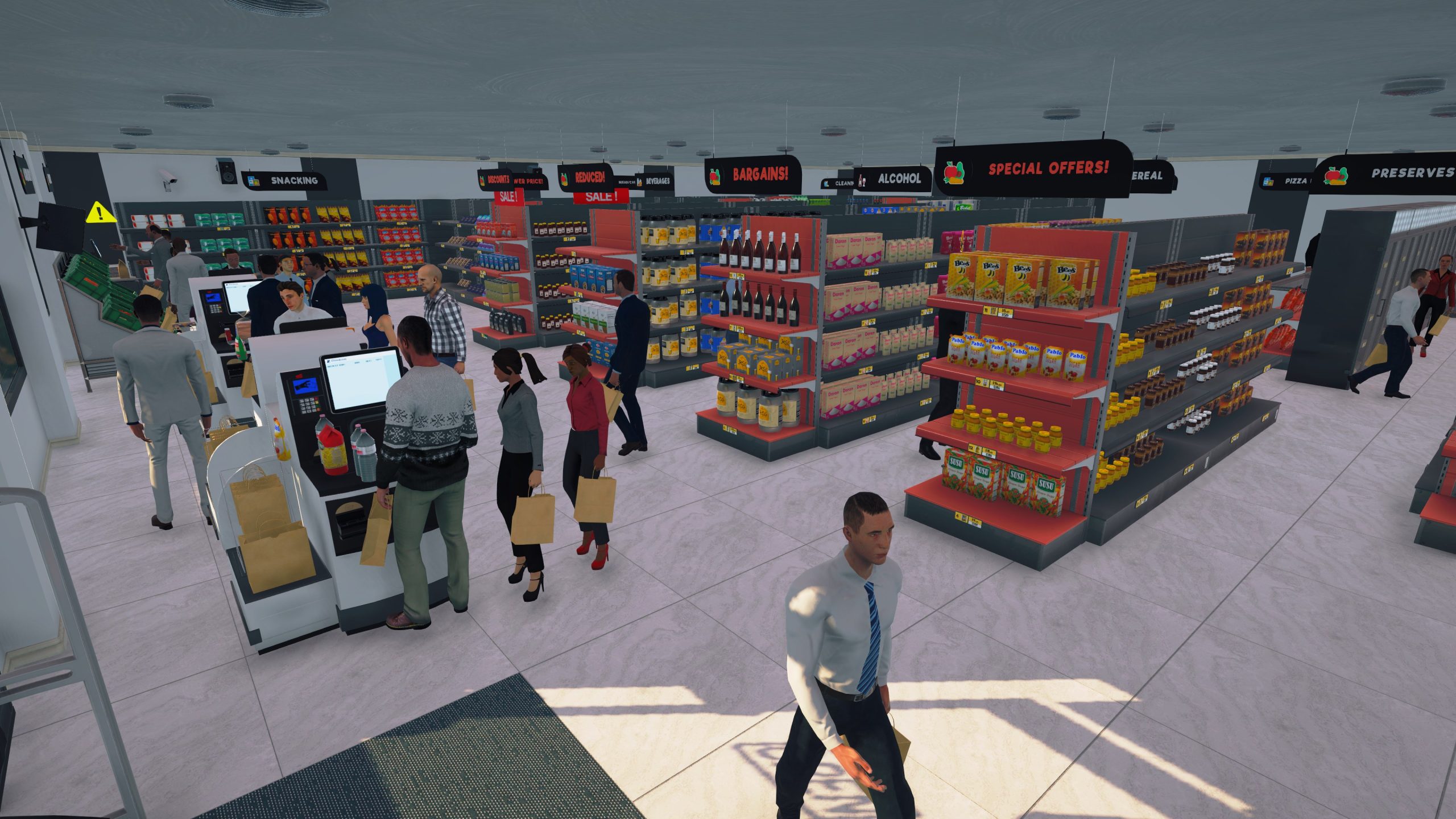
If you’ve ever imagined running your own bustling grocery store—managing shelves, checking out customers, juggling stock levels, and trying not to go broke—then Supermarket Simulator is probably your latest obsession. This game takes you deep into the daily grind of running a supermarket, but with the kind of charm and chaos that makes you want to keep improving your store run after run. And the deeper you get, the more you realize that there’s a surprising amount of strategy behind all the simple-looking tasks.
What makes the game addictive is how every small decision you make affects your entire operation. A poorly stocked shelf? Customers leave unhappy. Prices too high? Sales slow to a crawl. Forget to reorder basics? Suddenly the whole store feels empty. That’s why having a set of reliable tips and tricks makes a huge difference. Getting a good grip on the essentials lets you move from “barely surviving” to “thriving and expanding.”
This guide breaks down the key things you need to master in Supermarket Simulator: inventory management, sales optimization, and, of course, customer flow. Whether you’re new to the game or returning after a rough start, these insights will help you build a supermarket that not only grows steadily but actually feels fun and stress-free to run.
Understanding the Core Gameplay Loop
At its heart, Supermarket Simulator follows a simple but addictive loop: buy inventory, stock it, sell it, and use the profit to improve your market. But the details layered on top of that loop are what make or break your store’s success. Understanding how all the systems work together is the first step toward mastering the game.
Every in-game day starts with checking your stock levels and deciding what needs to be replenished. This is the part where players often rush, but in reality, it’s the backbone of your entire operation. Taking a few seconds to compare your budget with your stock needs prevents overspending on one product and forgetting essentials like bread or milk. A steady flow of core items keeps customers satisfied and ensures stable sales.
As customers begin entering your store, the checkout process becomes a major focus. This is where time management really matters. Balancing between restocking shelves and handling the checkout counter becomes easier once you develop a rhythm. Knowing when to prioritize customers over shelf organization can keep the income flowing without creating bottlenecks. The more comfortable you get with the daily routine, the easier it becomes to scale your operations.
Mastering Inventory Management
Inventory management is the heart of Supermarket Simulator. If your shelves look empty, customers leave. If they’re cluttered with low-demand products, you waste money and shelf space. So mastering your stock strategy is one of the most important skills in the game.
First, understand which items your store relies on most. Staples like bread, eggs, drinks, canned foods, and snacks tend to move quickly. Keeping these fully stocked ensures consistent sales and prevents emergency reorders that cut into profits. Many players overlook the importance of tracking item demand trends—if something sells out daily, it’s worth investing in larger batches.
Second, your stockroom is your best friend. While it’s tempting to buy exactly what fits on your shelves, it’s more efficient to keep extra boxes in the back. This minimizes the number of times you need to rush into your tablet to reorder something, especially during busy hours. Efficient stocking means placing frequently purchased items within easy reach so you don’t waste time digging for them when shelves are empty.
Third, don’t overlook expiration and timing. Some products sell quickly, while others sit for days if not priced competitively. Watching how long items stay on shelves helps you decide when to discount products or shift toward alternatives. A good rule of thumb is to keep rotating your inventory so nothing grows stale, both metaphorically and financially. When you learn how to balance stock levels, you’re halfway to running a successful virtual supermarket.
Smart Purchasing Habits That Save You Money
Buying inventory isn’t just about clicking “add to cart.” The game rewards players who think strategically about what and when they purchase. The difference between buying randomly and buying smartly can be hundreds of dollars per in-game day.
Start by using your budget wisely. Avoid dumping all your money into high-end goods when cheaper staple items keep customers coming back. A good mix keeps your shelves appealing while protecting your cash flow. It’s also smart to buy products in larger quantities when you notice price dips in the supplier interface—bulk purchasing can turn small margins into big profits.
Another important shopping habit is prioritizing products that create a good customer flow. Even if an expensive product offers high profit per unit, it may sell slower. Meanwhile, cheap drinks or snacks fly off shelves and require more replenishing, but they build consistent daily revenue. Balance slow-moving items with quick-turnover goods to keep your income stable.
Lastly, track your purchase patterns. If you find yourself consistently buying too much of one product and not enough of another, adjust your strategy. The game becomes smoother the more intentional you are about your buying habits. With time, you’ll know exactly which items deserve bulk orders and which ones you should only restock occasionally.
Shelf Organization Matters More Than You Think
A clean, organized shelf layout does more than make your store look nice—it directly affects customer satisfaction and sales. Many new players underestimate how powerful proper shelf placement is, but it can influence how quickly customers pick items and how efficient your restocking becomes.
Start by sorting products logically. Keep similar items grouped together, such as dairy products in one area, snacks in another, and beverages on a dedicated shelf. Organized layouts help you restock faster because you always know where everything belongs. Customers also navigate your store more smoothly when items feel intuitively placed.
Next, consider your use of space. Larger items should go on bigger shelves, while smaller products can be placed in tighter spaces or on end caps. Don’t clutter shelves with too many different items. Instead, dedicate clear sections for your best-selling products so they can be easily replenished. This helps prevent customers from walking past empty gaps that lower satisfaction.
Finally, adjust placement based on demand. High-demand items should be near the front or middle of your store so customers see them quickly. Low-demand or specialty items can go toward the edges. When your store layout feels clean and intentional, both you and your customers benefit from smoother movement and faster decision-making.
Maximizing Sales Through Smart Pricing
Pricing is where many players either thrive or struggle. The temptation to raise prices to maximize profits is understandable, but customers will punish you for being too greedy. Finding the sweet spot between competitive pricing and profitability is essential.
Start by analyzing how customers react to different price points. If you notice that an item is staying on shelves longer than usual, lowering its price slightly can stimulate demand. On the other hand, if something consistently sells out quickly, you can nudge the price upward until you find the point where sales slow down. This dynamic pricing approach keeps your store profitable while maintaining healthy customer flow.
Another pricing trick is using discounts strategically. For example, if you overstocked an item that isn’t selling, apply a temporary discount to free up shelf space. This helps prevent items from sitting untouched, and it gives customers a reason to visit more often. Discounts also work well during slow days when you need a sales boost.
Finally, don’t rely on one pricing strategy for every product. Some goods have naturally high demand, while others require careful price management. Treat each product category individually. The more you experiment and refine your pricing, the more you’ll notice your daily profits increase consistently.
Managing Customer Flow Like a Pro
A good customer flow makes your store feel alive, efficient, and profitable. Poor flow, however, leads to slow checkouts, abandoned carts, and a chaotic shopping experience. Controlling how customers move, shop, and pay is a crucial part of mastering Supermarket Simulator.
One of the biggest flow issues players face early on is checkout congestion. If the line backs up too much, customers leave the store unhappy. To avoid this, try to stay near the register during peak hours. Restock between waves, not during them. As your store grows, you may also unlock features or setups that help streamline the checkout process.
Shelf placement also affects customer flow. If your aisles are too tight or cluttered, customers will move slowly or get stuck. Keeping wide, open areas between shelves encourages smooth navigation. It also reduces the time customers take to make decisions, which increases how many people you can serve in a day.
Don’t forget lighting and visual appeal. While this isn’t a beauty contest, customers behave differently in well-organized stores. Bright, clean layouts often produce quicker, better sales. Think of your store like a real supermarket—free-flowing traffic keeps customers happy, and happy customers spend more.
Upgrading and Expanding Your Store
As profits increase, upgrading becomes essential. Expansion isn’t just about looking fancy—it’s about improving efficiency and increasing your earning potential. Each upgrade opens new opportunities to improve your workflow.
Start by investing in additional shelves and better storage solutions. More shelves mean more products on display, which leads to higher sales and less downtime. Better storage increases how much inventory you can keep on hand, reducing the number of times you need to reorder mid-day.
Next, consider expanding the physical layout of your store. A larger space means improved customer flow, more product categories, and additional room for creative layouts. Expansion should be done thoughtfully, though—bigger stores require more maintenance, more restocking, and more attention to detail.
Eventually, upgrades to technology and equipment will become available. Faster checkout tools, improved lighting, or advanced displays all enhance customer satisfaction. The key to upgrades is prioritization: spend money where it improves profit, not just aesthetics. With the right upgrades, your supermarket shifts from a simple corner shop to a full retail empire.
Final Thoughts
Mastering Supermarket Simulator isn’t just about knowing what to stock or how much to charge—it’s about finding the perfect rhythm. Once you understand how inventory, customer flow, pricing, and organization all work together, everything becomes easier. You start predicting demand, improving your restocking patterns, and planning expansions long before problems arise.
What makes the game truly fun is that every decision you make has a visible impact. You see your store grow, your shelves fill, your customers leave happy, and your profits expand. With the tips and tricks covered in this guide, you’ll be well on your way to running a smooth, profitable, and highly efficient supermarket that keeps you coming back day after day
