
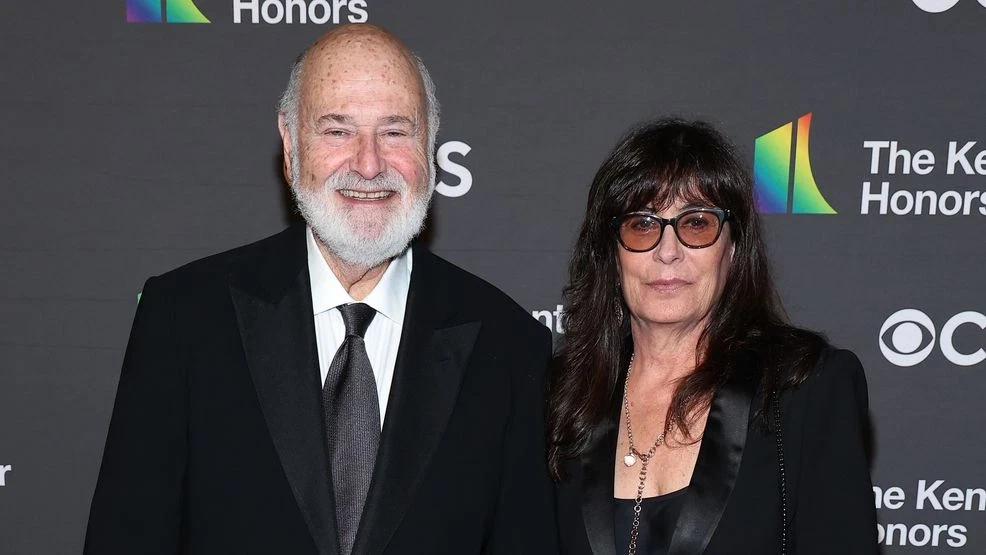
Few figures in modern Hollywood have influenced popular culture as broadly and enduringly as rob reiner. His career spans decades, genres, and creative roles, making him a rare example of sustained artistic relevance in an industry known for rapid change. From television stardom to directing some of the most beloved films in American cinema, Reiner has consistently demonstrated an instinct for stories that connect emotionally while remaining commercially successful. His work reflects a deep understanding of character, structure, and audience expectations, refined through hands-on experience both in front of and behind the camera.
What makes rob reiner especially compelling is not just the quantity of his achievements, but the diversity of them. Comedy, romance, courtroom drama, psychological thriller, and coming-of-age stories all sit comfortably within his filmography. This article explores how Reiner’s evolution as an actor, director, and producer reshaped Hollywood storytelling, strengthened creative collaboration, and left a legacy that continues to guide filmmakers today.
From Television Roots to Hollywood Authority
Rob Reiner’s early career in television laid the foundation for his later authority as a filmmaker. Rising to fame as Mike Stivic on All in the Family, he gained firsthand exposure to socially conscious storytelling and character-driven comedy. Working closely with Norman Lear immersed Reiner in a creative environment that valued sharp writing, cultural relevance, and fearless commentary. These experiences shaped his understanding of narrative responsibility and audience engagement. Rather than seeing television as limiting, Reiner treated it as a training ground where timing, performance, and thematic clarity were essential. This formative period gave him credibility and confidence, allowing him to transition into filmmaking with a clear artistic voice and strong industry relationships.
The move from actor to director is often difficult, but rob reiner approached it strategically. He studied scripts, observed directing styles, and paid close attention to how performances were shaped in editing rooms. His television success also granted him the professional leverage to take creative risks early in his directing career. Instead of being typecast, Reiner repositioned himself as a storyteller with a broader vision. This deliberate transition marked the beginning of a Hollywood trajectory defined not by reinvention alone, but by thoughtful expansion into roles that demanded leadership, discipline, and long-term creative planning.
Rob Reiner as an Actor Who Learned Storytelling from the Inside
Although rob reiner is best known today as a director and producer, his acting career played a crucial role in shaping his cinematic instincts. Performing in front of the camera taught him how dialogue feels when spoken, how pacing affects emotional impact, and how subtle direction can elevate or undermine a scene. His portrayal of Mike Stivic was nuanced, opinionated, and human, helping him understand the importance of layered characters rather than stereotypes. This sensitivity later became a hallmark of his directing style, where performances often feel natural, grounded, and emotionally honest.
Reiner’s acting experience also fostered empathy for performers, a quality many actors cite when discussing his leadership on set. He communicates clearly, listens actively, and adjusts direction to suit individual strengths. Rather than imposing rigid control, he creates an environment where actors feel supported and creatively invested. This actor-first mindset contributes to consistently strong performances across his films. By learning storytelling from inside the frame, rob reiner developed a practical understanding of how great films are built moment by moment, performance by performance, rather than through spectacle alone.
Directorial Range That Redefined Genre Expectations
As a director, rob reiner distinguished himself through remarkable genre versatility. Few filmmakers can credibly claim classics in romantic comedy, fantasy, drama, and thriller, yet Reiner achieved this without sacrificing coherence or quality. Films like When Harry Met Sally, The Princess Bride, Stand by Me, Misery, and A Few Good Men demonstrate his ability to adapt tone while maintaining narrative clarity. Rather than relying on visual excess, Reiner emphasizes story structure, character motivation, and dialogue-driven momentum. This approach allows each genre to feel authentic rather than formulaic.
What unifies Reiner’s directorial work is a respect for the audience’s intelligence. He trusts viewers to engage with emotional complexity, moral ambiguity, and unresolved tension. His courtroom scenes feel gripping because of writing and performance, not gimmicks. His comedies resonate because they reflect real human insecurities. By redefining how genre films could balance accessibility with depth, rob reiner influenced studio expectations and proved that thoughtful filmmaking could also achieve commercial success. His range expanded Hollywood’s understanding of what mainstream cinema could accomplish.
Building Castle Rock and Shaping Film Production
Beyond directing, rob reiner made a lasting impact as a producer through the founding of Castle Rock Entertainment. The company became synonymous with smart, mid-budget films that prioritized storytelling over spectacle. Under Reiner’s leadership, Castle Rock supported projects that might otherwise have struggled in a blockbuster-driven marketplace. This producer-driven model emphasized creative autonomy, strong scripts, and long-term audience trust. Reiner’s reputation attracted top writers, directors, and actors who valued collaboration over corporate interference.
Castle Rock’s success reshaped production norms in Hollywood by proving that consistent quality could be a brand in itself. Rather than chasing trends, Reiner focused on timeless narratives with emotional resonance. This strategy reduced financial risk while building cultural longevity. As a producer, rob reiner demonstrated that business acumen and artistic integrity are not mutually exclusive. His work behind the scenes empowered filmmakers and reinforced the idea that sustainable success comes from respecting both the creative process and the audience it serves.
Human-Centered Storytelling and Cultural Resonance
At the core of rob reiner’s impact lies his commitment to human-centered storytelling. His films often explore friendship, love, justice, and personal growth without cynicism. Even when tackling dark or intense material, he grounds narratives in relatable emotions and moral questions. This focus creates stories that age well, continuing to resonate across generations. Reiner understands that audiences connect most deeply when they see reflections of their own fears, hopes, and relationships on screen.
Cultural resonance is not accidental in Reiner’s work; it results from careful listening and observation. He captures conversational rhythms, social tensions, and emotional vulnerabilities with authenticity. Films like Stand by Me remain powerful because they honor the complexity of childhood without romanticizing it. Romantic comedies succeed because they acknowledge imperfection rather than idealizing love. Through this consistency, rob reiner has shaped a cinematic language that feels inclusive, emotionally intelligent, and enduring in an industry often driven by short-term spectacle.
Leadership, Mentorship, and Industry Influence
Rob Reiner’s influence extends beyond individual films into the broader culture of Hollywood leadership. Known for his collaborative approach, he has mentored emerging talent and supported diverse creative voices throughout his career. His sets are described as disciplined yet welcoming, where professionalism coexists with creative freedom. This leadership style encourages accountability while fostering innovation, a balance many studios struggle to achieve. By modeling respect across departments, Reiner elevated standards for how productions could function efficiently and humanely.
His willingness to engage with social issues also reflects a belief that filmmakers have responsibilities beyond entertainment. Whether through storytelling choices or public advocacy, rob reiner has consistently used his platform to encourage dialogue and civic awareness. This integration of artistry and responsibility reinforces his standing as a thoughtful industry leader. Younger filmmakers often cite his career as proof that longevity comes from integrity, adaptability, and a genuine commitment to meaningful work rather than fleeting trends.
Lasting Legacy of Rob Reiner in Modern Hollywood
The legacy of rob reiner is defined by balance: art and commerce, emotion and intellect, leadership and collaboration. His films remain staples of popular culture not because they chase novelty, but because they speak to enduring human experiences. As Hollywood continues to evolve, Reiner’s career offers a blueprint for sustainability rooted in storytelling excellence. He demonstrated that success across multiple roles is possible when guided by curiosity, empathy, and disciplined craft.
