
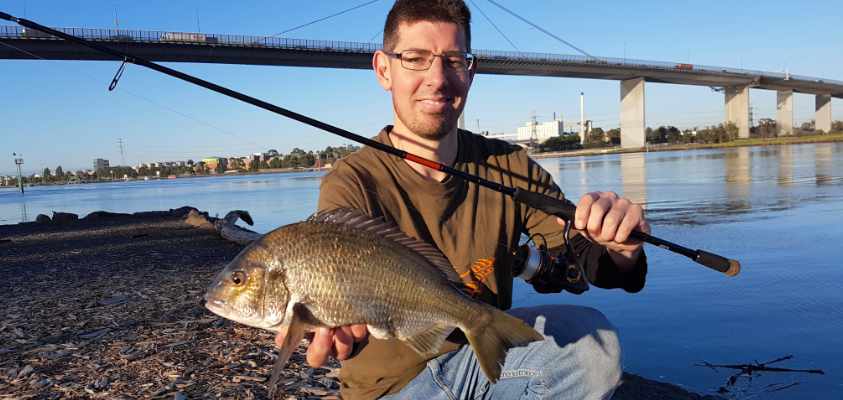
Finding the perfect fishing spot near your home isn’t just about luck—it’s about knowing where the fish like to gather, understanding the layout of your local waters, and having a plan that increases your chances of success. Whether you’re a weekend angler, a seasoned pro, or someone who just wants a quiet afternoon outdoors, the search for the ideal “fishing spots near me” can become a fun adventure on its own.
In this guide, you’ll discover how to identify great fishing areas, what tools help you find them faster, and how local conditions influence your overall experience. Let’s dive into the details so you can spend less time searching and more time fishing.
Understanding What Makes a Great Fishing Spot
A perfect fishing spot doesn’t happen by accident. Certain places naturally attract fish, while others rarely produce good catches. Knowing what to look for helps you narrow down your search when you’re trying to find “fishing spots near me” that actually deliver results.
Look for Areas With Structure
Fish rarely swim aimlessly in open water. Instead, they gather around structures like fallen trees, rocks, underwater ledges, and weed beds. These places offer both shelter and feeding opportunities. When scouting locations, pay attention to visible structure along the shore. Lakes and rivers with clear patterns of fallen branches or shallow rock formations usually have active fish populations nearby.
If you’re exploring a new body of water, walk along the bank before casting your line. You might spot shaded patches, abrupt drop-offs, or areas with mild water movement—all indicators of a potential hotspot. Even human-made structures like piers or bridges can become productive fishing grounds.
Consider Water Depth and Temperature
Fish are sensitive to water temperature, which affects where they hang out throughout the day. In the early morning or late afternoon, fish often move closer to the surface or shallower areas in search of food. During midday heat, they prefer cooler, deeper waters.
When searching for fishing spots near you, look for places that offer depth variety. Shallow coves, deeper channels, and gradual slopes in reservoirs all give you multiple opportunities to catch fish depending on the time of day.
Observe Water Movement and Oxygen Levels
Fish thrive in areas with consistent oxygen flow. Moving water—like inlets, creeks, or narrow channels—usually brings fresh oxygen and food, attracting more fish. Even on lakes, slight ripples or wind-driven currents can reveal the direction fish might migrate toward.
When you’re near a body of water, pay attention to where water flows naturally. A quiet cove might look peaceful, but a moving current often leads to a more active fishing environment.
How Local Weather Affects Your Fishing Success
Weather plays a huge role in whether a day out fishing is successful or disappointing. Before choosing a fishing spot near you, understanding how weather conditions shift fish behavior gives you a major advantage.
Cloudy Days vs. Sunny Days
Cloudy days generally create perfect fishing environments. Fish feel safer under dim lighting and tend to swim closer to the surface or along the shore where they’re easier to catch. During bright, sunny days, fish often retreat to deeper waters for shade.
If you’re planning a trip under clear skies, find local fishing spots with plenty of shade from trees, rocks, or bridges. Fish are still active—you just need to approach strategically.
Wind and Water Movement
A lightly windy day can be surprisingly productive. Wind pushes surface insects and food toward one side of a lake, attracting fish to those locations. When looking for fishing spots near you, check which direction the wind is blowing. The windward side of lakes often becomes very active with feeding fish.
Avoid extremely windy conditions, though—they make casting harder and reduce visibility.
Rain and Post-Rain Conditions
Light rain often enhances fishing because raindrops break up the water’s surface, making fish less cautious. After rain, streams and lakes can become muddy, forcing fish to rely on movement and vibration instead of sight. This is when lures with strong action become more effective.
Heavier rainfall can also open new fishing areas as small puddles and runoff streams create temporary feeding zones.
Using Google Maps and Fishing Apps to Locate Fishing Spots Near You
Technology has made it easier than ever to find productive fishing locations, even if you’re completely new to your area. Tools like Google Maps, fishing-specific apps, and community forums help you pinpoint great locations without guesswork.
How to Use Google Maps for Fishing
Google Maps isn’t just for navigation—it’s an underrated fishing tool. Satellite view lets you identify:
- Shallow vs deeper waters
- Vegetation density
- Public access points
- Boat ramps and docks
- Shoreline structures
Zoom into a lake or river near your home and look for darker patches indicating deeper water or lighter zones showing shallow areas. You can also spot underwater drop-offs, which often attract fish.
Street View can also give you a sense of parking availability, shoreline accessibility, and whether the area is crowded.
Top Fishing Apps for Finding Local Spots
Many apps are designed specifically to help anglers find the best local fishing areas. Some even include fish activity forecasts and community reports.
Here are a few worth checking out:
- Fishbrain – Shows fishing hotspots, recent catches, species present, and angler reviews.
- Navionics – Offers detailed water maps with contour lines showing depth changes.
- Fishidy – Helps you locate fishing spots and track water conditions.
When searching for “fishing spots near me,” these apps give real-time insights that help you decide whether a location is worth visiting.
Local Forums and Social Groups
Sometimes, nothing beats real-world experience from other anglers. Facebook fishing groups, Reddit communities, and local fishing clubs often share honest reviews of nearby waters. People discuss water conditions, fish species, and even the best times to visit certain areas.
Joining these groups helps you stay informed and improves your overall fishing knowledge
Popular Types of Fishing Locations to Explore Near You
Depending on where you live, you may have access to lakes, rivers, ponds, reservoirs, or even coastal waters. Each type of location offers unique fishing opportunities and challenges.
Lakes and Ponds
These are usually the easiest and most popular fishing spots. Lakes and ponds support a variety of fish such as bass, catfish, bluegill, crappie, and carp.
Lakes offer:
- Stable water levels
- Predictable fish patterns
- Plenty of shoreline access
- Both deep and shallow areas
Ponds are great for beginners because fish stay close to shore, allowing for successful fishing with simple equipment.
Rivers and Streams
Rivers offer more dynamic fishing environments. The flowing water creates hotspots in areas like bends, drop-offs, and pools.
Fishing rivers provides:
- Higher oxygen levels
- More active fish
- Opportunities for species like trout, bass, and catfish
Because of the water movement, river fishing often requires slightly heavier gear or weighted lures to maintain control.
Coastal and Saltwater Locations
If you live near the coast, saltwater fishing opens an entirely new world of possibilities. You can fish from piers, rocky shorelines, jetties, or beaches.
Saltwater species include:
- Redfish
- Snook
- Mackerel
- Flounder
- Sea trout
Saltwater environments change quickly, so checking tide charts and marine weather conditions becomes part of the adventure.
Tips for Choosing the Best Local Fishing Spot for Your Fishing Style
Not every fishing spot works for every angler. The perfect location depends on your gear, your skill level, and the type of fishing experience you want.
Consider Your Target Species
Different fish prefer different environments. If you’re targeting bass, look for lakes with vegetation and underwater structure. If you want trout, cold-water rivers or creeks are your best bet.
Before heading out, research which species live in the waters near you. This helps you adjust your gear and technique.
Assess Accessibility
Some fishing spots require long hikes or boat access, while others are right next to parking lots. Choose a location that matches the time and effort you’re willing to invest.
If you’re bringing kids or beginners, choose spots with:
- Clean shorelines
- Shaded areas
- Simple access points
More advanced anglers may enjoy remote areas where fish see fewer people and bite more aggressively.
Check Local Regulations
Always check your local fishing regulations before heading out. Some waters may require additional permits, catch limits, or seasonal restrictions.
Most state wildlife agencies update their websites frequently with guidelines on:
- Daily catch limits
- Species protections
- Bait restrictions
- Fishing hours
Knowing these rules keeps you legal and helps protect fish populations.
Essential Gear to Bring When Exploring New Fishing Spots Near You
Having the right tools on hand makes exploring new fishing locations easier, safer, and far more enjoyable.
Basic Fishing Essentials
No matter where you’re going, always bring:
- A reliable fishing rod and reel
- A small tackle box with hooks, sinkers, bobbers, and lures
- Bait—live, artificial, or both
- Needle-nose pliers
- A measuring tape
These basics ensure you’re prepared for most situations, from shallow ponds to deeper lake edges.
Navigation and Safety Tools
When exploring unfamiliar spots, carry:
- A fully charged phone
- Portable GPS or fishing app
- First aid kit
- Water and snacks
- Sun protection (hat, sunglasses, sunscreen)
Even if the fishing is great, safety should always be your first priority.
Comfort Items for Longer Sessions
If you plan to fish for several hours, consider bringing:
- A folding chair
- Polarized glasses to help you see through the water
- A small cooler for drinks or caught fish
- Insect repellent
A comfortable setup helps you stay focused and patient—two qualities every successful angler needs.
Final Thoughts: Finding the Perfect Fishing Spots Near You
The journey to finding the best “fishing spots near me” gets easier when you know what to look for. Whether you’re exploring local lakes, rivers, ponds, or coastal areas, each location offers something unique. By studying local structure, checking weather patterns, using digital tools, and understanding fish behavior, you can transform an ordinary fishing trip into a memorable experience
