
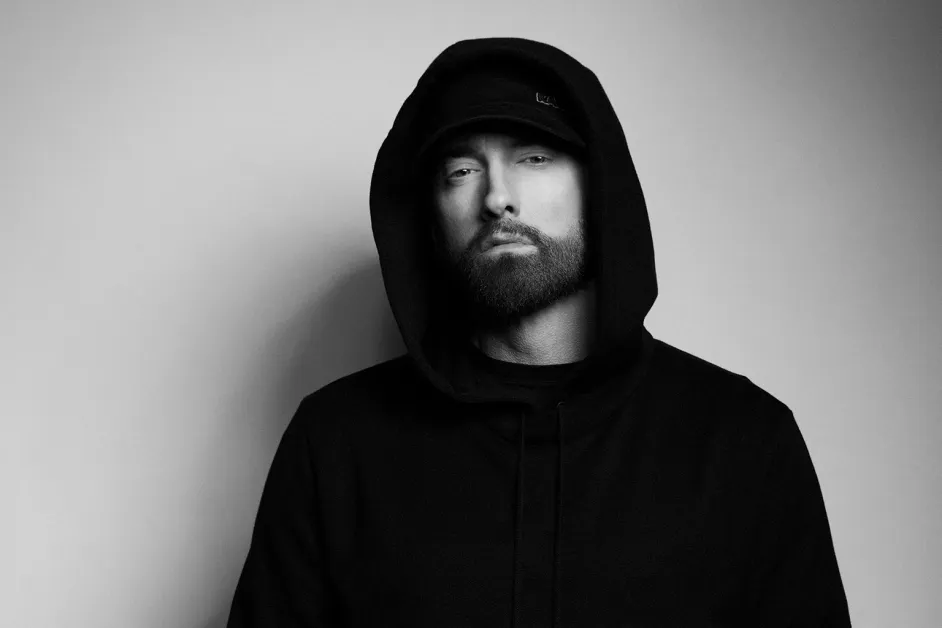
Introduction: Time, Age and Transformation
Eminem — born Marshall Bruce Mathers III — is often spoken of as one of the greatest rap artists of all time. Wikipedia+2Biography+2 Over the decades, his age, personal history, life experiences, and evolving worldview have all played a defining role in shaping not just the music he creates, but how audiences connect with him. As he matures, both as a man and an artist, Eminem’s journey offers insight into how time influences art, identity, and relevance.
In this article, we’ll examine Eminem’s life and career through the lens of age: his early struggles and formative years; his meteoric rise in the late ’90s and early Eminem Age 2000s; the mid-career challenges and transformations; and his more recent years as a veteran in a constantly shifting musical landscape. We’ll see how time shaped his artistry, his public persona, and ultimately his lasting legacy.
Roots: Early Life, Struggles, and Teenage Years (1972–1995)
Eminem was born on October 17, 1972, in St. Joseph, Missouri. Wikipedia+2IMDb+2 His given name is Marshall Bruce Mathers III — the stage name “Eminem” comes from the initials “M & M.” IMDb+2Wikipedia+2
Not long after his birth, his father left the family when Eminem was still an infant. Wikipedia+2Timetoast+2 Raised by his mother, he moved frequently, shifting from Missouri to Detroit, Michigan — a move that exposed him to the economic and social hardships of a working-class upbringing. Biography+2Timetoast+2
School life was difficult. The frequent moving meant switching schools often. As a result, Eminem struggled academically: he repeated 9th grade multiple times and ultimately dropped out at age 17. Eminem+2Timetoast+2 These early adversities — economic hardship, unstable home life, social alienation, academic struggles — would later serve as the emotional backbone for much of his music. He didn’t just rap — he voiced pain, anger, identity, and survival.
In his teenage years, Eminem found refuge in rap. Around age 14, he began battling in Detroit’s underground rap scene under the name “M&M.” Eminem+2IMDb+2 This period of youth, uncertainty, and ambition planted the seeds for the raw, honest lyrical voice that would define his later work.
These years show how age — and youth hardship — influenced Eminem’s perspective. His music isn’t just entertainment; it’s a chronicle of struggle, identity, and emotional survival.
Breakthrough & Stardom: Young Adulthood and the Late ’90s (1995–2001)
As Eminem entered his early to mid-twenties, everything began to shift. In 1996, he released his first studio album, Infinite — though it wasn’t a commercial success, it marked the start of his professional journey. Eminem+2Timetoast+2
But the real turning point came in 1999 with The Slim Shady LP. Backed by legendary producer Dr. Dre, the album exploded — its shock-value lyrics, dark humor, and fearless expression resonated widely. Timetoast+2Wikipedia+2 Suddenly Eminem went from underground rapper to mainstream phenomenon.
Just a year later, he released The Marshall Mathers LP, which became one of the fastest-selling rap albums in history. Biography+2Timetoast+2 His age — early to mid-20s — matched the urgency in his art: intense ambition, raw energy, hunger for expression. His personal history merged with bravado, vulnerability, rage, and wit.
That period marked the crystallization of Eminem’s style: confessional yet confrontational, lyrical yet personal, provocative yet honest. Age here meant youthful arrogance, survival instincts, and an unprecedented voice in mainstream hip-hop.
With stardom came multiple challenges: scrutiny, controversy, and pressure. For a young man who had endured instability, this was another layer of adversity — but one he often channeled into his music.
Maturity, Turbulence, and Growth: Mid-Career (2002–2010)
As Eminem progressed into his late 20s and early 30s, his career trajectory reflected not just evolution — but turbulence. He diversified his work: acting, producing, exploring different themes. For example, he starred in the semi-autobiographical film 8 Mile (2002), which mirrored his real-life struggles and ambition, and produced the Oscar-winning song Lose Yourself. Biography+2Timetoast+2
Throughout those years, his music was a reflection of more than just anger and frustration: it included introspection, conflict with fame, relationships, and existential questions. As he aged, his voice matured. The brute teenage energy gave way to nuanced complexity in lyrics — the kind of complexity that comes not only from talent, but from living, learning, and suffering.
Yet age also brought challenges — personal problems, addiction, and instability. As someone who had come from hardship, sudden fame and pressure could be hard to reconcile. According to his biography, Eminem went through turbulent personal phases including addiction and struggles with mental health during these years. Eminem+2IMDb+2 These struggles often seeped into his music — making it more raw, vulnerable, and human.
This period of maturity and turbulence reveals how aging affects artists: you don’t just grow older — you accumulate experiences, regrets, victories, losses — and all that shapes your voice. For Eminem, his 30s became a time of self-reflection, reinvention, and deeper emotional expression.
Legacy and Longevity: Veteran Years (2010–present)
Today, Eminem continues to be active — decades after his debut — which in itself is a testament to his endurance and adaptability. Wikipedia+1 His age no longer defines him as the brash, angry newcomer, but as a veteran, a survivor, a legend who has witnessed and shaped multiple eras of hip-hop.
Over the years, his music and public persona have evolved. While he still retains the lyrical skill, fearlessness, and rhythm, there’s more depth, reflection, and sometimes introspection. Aging has added layers, not diluted his talent. It’s not about proving he’s young — it’s about proving his relevance across generations.
Moreover, the passage of time has allowed Eminem to influence newer artists, mentor younger talent, and contribute to the broader hip-hop culture in ways beyond just his own songs. His legacy is now not only in his discography — but in how he helped shift perceptions, broke racial and social barriers for white rappers in mainstream hip-hop, and opened doors for diverse voices. Wikipedia+1
In recent years, many longtime fans and critics note how Eminem’s voice and themes have matured — still raw and honest, but more reflective, more experienced, and often more empathetic. Age has brought emotional resonance, perspective, and a nuanced understanding of life’s highs and lows.
How Age Has Influenced His Artistry & Public Image
Authenticity Rooted in Experience
Because Eminem lived hardship, neglect, identity crises, and instability, his lyrics have always carried an emotional authenticity. As he aged and evolved, those experiences deepened — giving his more recent work a different weight. He’s not just reflecting teenage anger or early struggles; he’s reflecting on decades of life, pain, survival, and growth.
Evolving Themes: From Rage to Reflection
Early in his career, Eminem’s music often revolved around anger, rebellion, fear, identity, and defiance. As he matured, themes expanded: fame, responsibility, mental health, redemption, family, legacy. Age allowed him to explore more than just survival — he began questioning, hoping, healing, sometimes even forgiving.
Versatility and Reinvention
Aging in the music industry can be risky, but Eminem adapted. He reinvented himself, tried different flows, experimented with new sounds, collaborated with younger artists, and remained relevant. His longevity shows how evolving with age — rather than resisting it — can lead to a dynamic, lasting career.
Why Eminem’s Age Matters to His Legacy
Eminem isn’t just another rapper who burned bright and faded. He’s proof that longevity is possible when talent is paired with authenticity, adaptability, and resilience. His age adds context — it shows where he came from, what he survived, and how he’s grown.
For fans old and new, Eminem aging means the chance to see an artist evolve — to see raw talent become wisdom, to hear youthful rage mature into reflective art. It also signals that rap isn’t just youth culture — it can be a lifelong craft, enriched by lived experience.
Furthermore, his journey challenges stereotypes. The fact that a white rapper from humble beginnings could rise to global prominence, sustain relevance across decades, and influence generations speaks volumes about the power of raw talent, honesty, and perseverance.
Finally, Eminem’s age matters because it humanizes him. Behind the fame, controversies, awards, and hits — he’s a man who’s aged, faced losses, fought demons, and kept going. That resilience, that human vulnerability, connects across demographics and generations.
Conclusion: Time as Eminem’s Greatest Collaborator
Eminem’s journey — from a troubled kid frequently moving between Missouri and Detroit, to one of the most influential rappers in history — is shaped profoundly by age. Each phase of his life, each passing year, added depth to his music, complexity to his persona, and richness to his legacy.
Time has not diminished him. Instead, it has refined him. The anger and hunger of youth transformed into reflection, resilience, and artistry grounded in experience. As he ages, Eminem remains relevant — not by chasing youth or fame — but by embracing maturity, evolving with the world, and staying honest
