
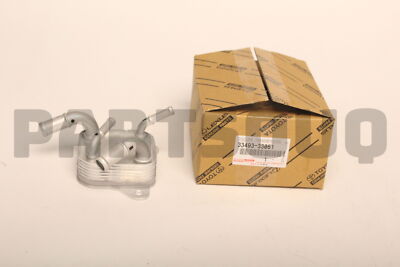
In modern technical environments, precise component identification matters as much as performance itself. CT3309361 is a designation increasingly referenced by engineers, procurement specialists, and system integrators who require clarity, reliability, and predictable behavior from their components. While part numbers can appear opaque at first glance, understanding what ct3309361 represents from a technical and operational perspective allows professionals to make informed decisions with confidence.
This article provides a detailed, expert-level overview of ct3309361, focusing on its technical characteristics, design philosophy, performance expectations, and real-world applicability. Written for technically literate readers yet accessible in tone, the discussion emphasizes practical insight rather than marketing language. Whether you are evaluating ct3309361 for system integration, replacement planning, or technical documentation, this guide aims to deliver structured, high-value information that supports both engineering precision and strategic decision-making.
Overview of CT3309361 as a Technical Component
CT3309361 is best understood as a structured technical identifier rather than a generic label. In professional environments, such identifiers are used to define a component with consistent specifications, controlled tolerances, and repeatable performance. The ct3309361 reference typically denotes a product engineered for integration into complex systems where reliability and predictability are essential. Its value lies not only in what it does, but in how consistently it does it across operating conditions and deployment contexts.
From a product overview standpoint, ct3309361 represents a balance between standardized design and adaptable implementation. Engineers often select components under this classification because they align with established system architectures while remaining flexible enough for customization. This combination reduces engineering risk, shortens validation cycles, and simplifies lifecycle management. As a result, ct3309361 is commonly associated with professional-grade applications rather than experimental or consumer-level use cases.
Design Architecture and Engineering Philosophy
The design architecture behind ct3309361 reflects a deliberate emphasis on structural efficiency and functional clarity. Rather than introducing unnecessary complexity, the component is engineered around clearly defined functional blocks that interact predictably with surrounding systems. This architectural approach simplifies troubleshooting, enhances reliability, and allows technical teams to understand system behavior without relying on proprietary abstractions or undocumented dependencies.
Equally important is the engineering philosophy guiding ct3309361’s development. It prioritizes durability, repeatability, and long-term support over short-term optimization. Materials, interfaces, and internal configurations are typically selected to meet demanding operational profiles while maintaining compliance with established industry practices. This philosophy makes ct3309361 particularly attractive in environments where downtime, component variance, or undocumented behavior can lead to significant operational or financial consequences.
Core Technical Specifications Explained
Technical specifications define the operational boundaries of ct3309361 and serve as the foundation for system-level design decisions. These specifications usually include defined electrical, mechanical, or logical parameters that ensure predictable interaction with other components. Rather than pushing extreme performance limits, ct3309361 is characterized by well-balanced specifications that emphasize stability, tolerance control, and compatibility with standard system interfaces.
Understanding these specifications is essential for proper deployment. Engineers rely on ct3309361 documentation to determine acceptable operating ranges, environmental constraints, and interface expectations. This clarity minimizes integration errors and supports accurate simulation during the design phase. When evaluated holistically, the technical specifications of ct3309361 demonstrate a clear intent to reduce ambiguity, making the component suitable for regulated or mission-critical environments where precision matters more than headline performance figures.
Performance Characteristics and Operational Behavior
Performance in real-world conditions often distinguishes a well-engineered component from a merely adequate one, and ct3309361 is designed with this distinction in mind. Its operational behavior is typically consistent across defined loads and usage patterns, allowing systems to perform predictably over time. Rather than fluctuating output or sensitivity to minor variations, ct3309361 maintains stable performance within its specified limits.
Another notable performance characteristic is how ct3309361 responds to stress conditions. Components under this designation are generally engineered to degrade gracefully rather than fail abruptly. This behavior is especially valuable in professional systems where early warning signs allow preventive maintenance or controlled shutdowns. By offering predictable operational behavior, ct3309361 supports both performance optimization and risk mitigation strategies in complex technical environments.
Integration and System Compatibility
System compatibility is a critical consideration when selecting any technical component, and ct3309361 is designed to integrate smoothly into established architectures. Its interfaces are typically aligned with common industry standards, reducing the need for custom adapters or extensive redesign. This compatibility allows engineers to incorporate ct3309361 into existing systems with minimal disruption, preserving both time and budget.
Beyond physical or electrical interfaces, ct3309361 also aligns well with common documentation and validation workflows. Its predictable behavior and clearly defined parameters simplify testing, certification, and long-term support. For organizations managing large or distributed systems, this level of integration efficiency translates into lower operational overhead. As a result, ct3309361 is often favored in environments where scalability and maintainability are as important as raw functionality.
Quality Control, Compliance, and Reliability
Quality assurance is a defining attribute of components identified as ct3309361. Manufacturing and validation processes are typically structured to ensure consistency across production runs, minimizing variance that could affect system performance. This focus on quality control supports long-term reliability and reinforces trust among engineering and procurement teams who depend on consistent component behavior.
Compliance is another essential aspect of ct3309361’s profile. Components under this designation are generally aligned with recognized industry standards and regulatory frameworks relevant to their application domains. This compliance reduces certification risk and simplifies integration into regulated systems. When combined with robust reliability metrics, ct3309361 offers a level of assurance that is difficult to achieve with less rigorously specified alternatives.
Practical Use Cases and Industry Applications
CT3309361 is commonly deployed in professional environments where reliability, traceability, and long-term availability are essential. Typical use cases include industrial systems, technical infrastructure, and specialized equipment where component failure can have cascading effects. In these contexts, ct3309361 is valued not for novelty, but for its proven behavior and predictable integration characteristics.
Across industries, the component’s appeal lies in its versatility within defined constraints. Engineers can apply ct3309361 across multiple projects without requalifying its core behavior each time. This reusability supports standardized design practices and reduces engineering overhead. As organizations increasingly prioritize modularity and lifecycle efficiency, ct3309361 continues to align well with modern system development strategies.
Maintenance, Lifecycle, and Long-Term Value
From a maintenance perspective, ct3309361 is designed to support straightforward diagnostics and replacement. Clear specifications and stable behavior make it easier for technical teams to identify issues and implement corrective actions without extensive investigation. This maintainability reduces downtime and supports proactive service models rather than reactive repairs.
Lifecycle value is where ct3309361 truly distinguishes itself. By emphasizing durability, documentation clarity, and compatibility, the component remains relevant even as surrounding systems evolve. Organizations benefit from reduced redesign costs and extended system lifespans. Over time, the total cost of ownership associated with ct3309361 often compares favorably to alternatives that may offer short-term savings but lack long-term stability and support.
Conclusion: Why CT3309361 Matters in Technical Systems
CT3309361 is more than a simple part number; it represents a disciplined approach to component design, specification, and lifecycle management. Through balanced technical specifications, predictable performance, and strong compatibility, ct3309361 supports reliable system development across a range of professional applications. Its value lies in reducing uncertainty and enabling engineers to focus on system-level innovation rather than component-level risk.
