
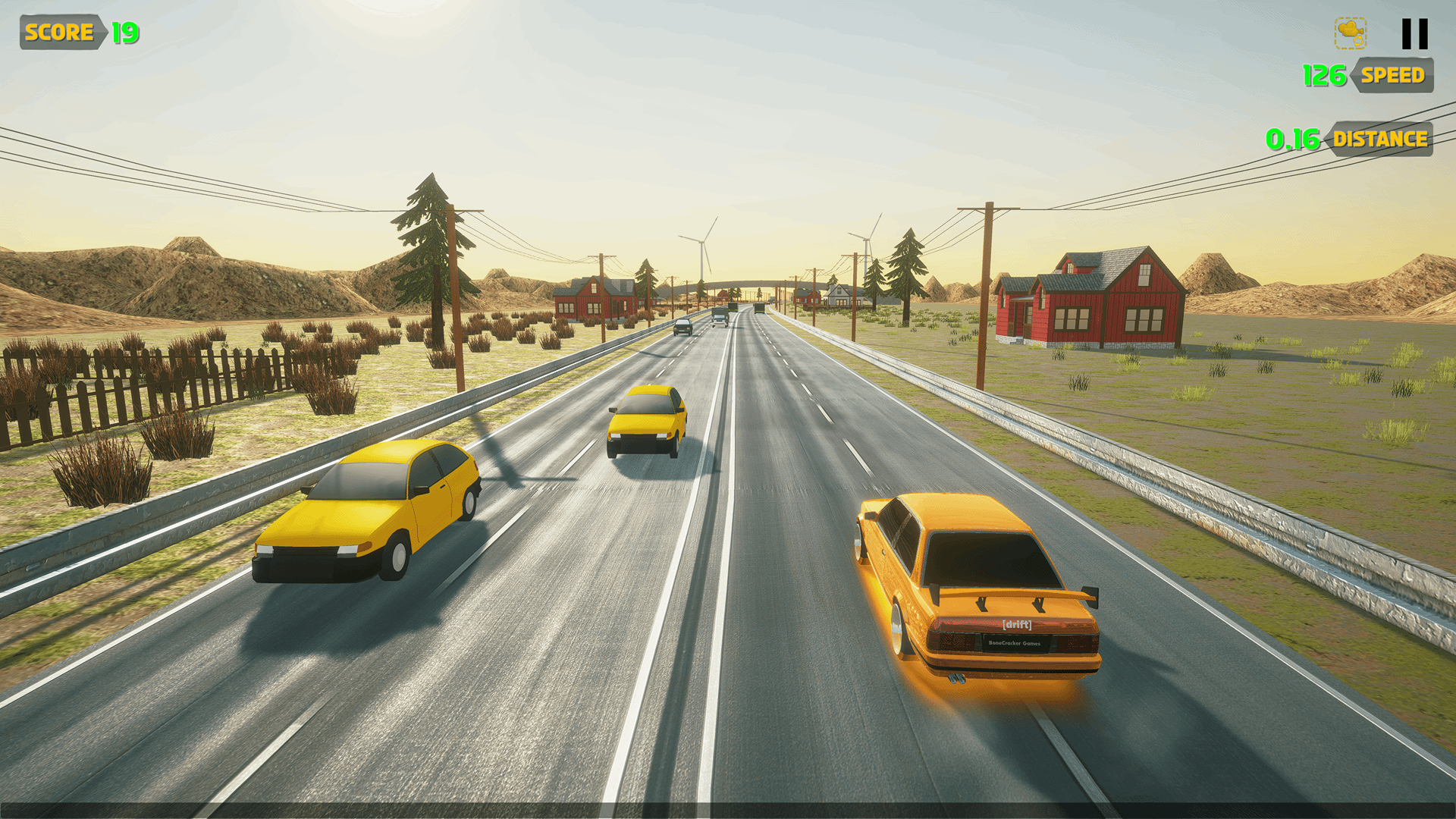
Introduction: Why Highway Racer Still Rules the Road
Highway Racer has become one of those games that sticks with you long after you’ve closed the app. Maybe it’s the thrill of weaving between cars at impossible speeds, or maybe it’s the rush of hearing the engine roar at just the right moment. Whatever it is, this game manages to grab your attention and hold onto it. But if you’re playing casually, you’re only getting half the experience. Competitive players know that mastering Highway Racer requires strategy, awareness, and the ability to make split-second decisions without panicking.
Even though the game looks simple on the surface, there’s a surprising amount of depth once you start chasing high scores. Suddenly, every lane change matters, every overtake becomes an opportunity, and every mistake feels painfully expensive. The more you play, the more you start noticing patterns in traffic, ideal speeds, and moments when the risk is worth taking. This is what separates competitive racers from casual players—the mindset.
This handbook is designed for players who want to squeeze the full potential out of Highway Racer. If you love the game already, this guide will help you enjoy it even more. If you want to climb leaderboards, this is your starting point. And if you’re tired of losing runs because of small errors, you’re about to fix that too.
Understanding the Highway Racer Core Mechanics
Before diving into strategies, you have to understand the mechanics working behind the scenes. Many players jump in and immediately go for speed, assuming it’s the only thing that matters. But Highway Racer rewards much more than just going fast. It rewards consistency, timing, and the ability to maintain control even while pushing limits.
Speed, of course, plays a major part in the game. The faster you go, the higher your score multiplier becomes. This is why competitive players try to maintain high speed without crashing. But simply accelerating and hoping for the best won’t get you far. Speed needs to be managed, especially in heavy traffic or on roads with tight spacing. Overconfidence often ends a run quicker than sloppy driving.
Another core mechanic is overtaking. The game rewards players for overtaking vehicles closely without crashing. The closer the overtake, the higher the reward. This is where finesse comes into play. Instead of weaving wildly, competitive racers make controlled, intentional movements. Learn to anticipate traffic flow, and you’ll find overtaking becomes less risky and more rewarding.
Combo scoring is the final foundational mechanic you need to understand. Stringing overtakes together builds combos that lead to massive score boosts. But the moment you slow down too much or leave too much distance between overtakes, your combo resets. Keeping the combo alive becomes a balancing act—fast enough to reach the next vehicle, but not so reckless that you crash instantly.
Choosing the Best Cars for Competitive Play
Every car in Highway Racer feels different, and while you can technically perform well with anything, certain vehicles are undeniably better for competitive players. The key is finding the balance between speed, control, and handling. A car that’s too fast might feel chaotic in tight traffic, while a slower car with great handling makes high-scoring runs easier.
High-level racers often start with mid-tier cars before moving to the fastest ones. These mid-tier vehicles offer enough speed to build combos but still handle predictably. They help you build skills without challenging you too aggressively early on. Once you feel comfortable managing lane changes and overtakes at decent speeds, stepping up to faster cars becomes much easier.
Top-tier cars shine when you’re aiming for leaderboard positions. These vehicles have acceleration that lets you recover quickly after slowing down, plus top speeds that make scoring easier. However, these cars also require better reflexes and sharper prediction skills. If you switch to a high-speed car before you’re ready, you’ll end up crashing more often than scoring.
You should also consider how each vehicle responds to steering. Some cars have tighter turn response, while others feel smoother. Competitive players usually prefer cars with quick response times, since delayed movements can cost runs. Take time to test each car in a few short sessions before committing to long scoring runs.
Mastering Overtaking for Maximum Points
Overtaking is where competitive players truly shine. The difference between a normal overtake and a well-executed one is the difference between an average run and a leaderboard-worthy score. To make the most out of overtakes, you need to understand timing, spacing, and lane management.
The first rule of good overtaking is staying close—but not too close—to other vehicles. When you pass a car within a tight distance, you earn bonus points. These bonuses stack when performed consecutively. The trick is knowing just how tight you can get without risking collision. This comes with practice, but one general rule is to approach from behind at a controlled speed rather than rushing into the next gap.
Lane awareness is another crucial factor. Most overtakes happen by weaving between slow vehicles, but the decision to switch lanes has to be deliberate. It’s easy to panic and swerve into another lane only to collide with a car you didn’t see coming. A competitive player learns to scan not just one car ahead, but several cars down the road. Always anticipate traffic patterns.
Finally, speed management plays a huge role in overtaking success. If you’re going too fast, you’ll struggle to react quickly enough to avoid accidents. If you’re too slow, you won’t maintain combos. The ideal speed varies based on traffic density, but competitive players typically ride the upper speed range while keeping enough control to react instantly.
Traffic Awareness and Predictive Driving
The longer you play Highway Racer, the more you notice that traffic isn’t completely random. Cars move in certain patterns, leave specific types of gaps, and behave predictably in many scenarios. This is where predictive driving becomes your superpower.
Predictive driving means staying aware of what every vehicle around you is doing and anticipating what might happen next. Instead of reacting at the last second, you’re already prepared. For example, when two cars are driving side by side at different speeds, there’s usually a gap forming somewhere nearby. Competitive racers spot this early and adjust their approach long before reaching that section of traffic.
Another aspect of predictive driving is avoiding “trap lanes.” These are lanes with no visible gaps ahead. New players often stay in these lanes too long, only to crash when they realize the exit is blocked. Experienced racers learn to switch lanes early, staying in lanes with escape routes or visible gaps ahead.
Finally, predictive driving helps maintain calm under pressure. When you have a mental map of where traffic is heading, you don’t panic during tight situations. Keeping a clear head in intense moments is one of the most valuable advantages a competitive Highway Racer player can have.
Using Boosts and Speed Control Wisely
Every run involves decisions about when to push speed and when to dial it back. Boosts, accelerations, and speed bursts can propel your score upwards, but misuse them and you’ll crash almost instantly. Competitive players treat boosts like strategic tools rather than flashy tools.
The best time to use a boost is when you see a long stretch of open road. These moments don’t appear often, so when they do, capitalize on them. A well-timed boost can give you a massive score jump, especially when you chain multiple overtakes during that high-speed window.
On the other hand, you should never boost when traffic is tight or unpredictable. Even if you see a tiny opening, there’s no guarantee it won’t close by the time you reach it. Boosting in heavy traffic is the number one cause of unnecessary crashes.
Speed control also involves knowing when to ease off the accelerator. Sometimes, intentionally slowing down slightly gives you a better approach angle toward oncoming traffic patterns. This helps keep your combos going while giving you more reaction time. Remember, slowing down is not failure—it’s strategy.
Advanced Highway Racer Scoring Techniques
Once you’re comfortable with the basics, advanced scoring techniques help push your performance even further. These techniques involve maximizing combo chains, mastering distance management, and exploiting point windows.
Combo preservation is the most important advanced technique. Instead of rushing and hoping for a good combo, top players maintain consistent pacing between each overtake. Think of it like a rhythm game: once you lock into your rhythm, you want to stay in it. Avoid making erratic lane changes or sudden stops that could break your combo.
Distance manipulation is another secret competitive players use. This involves intentionally staying close to traffic for longer than you normally would before overtaking. The game rewards close proximity, so by holding that tight distance for a second or two before passing, you maximize the per-overtake score without increasing risk too dramatically.
Finally, point windows are moments where both traffic and speed align perfectly. These windows allow players to chain multiple overtakes at high speed and multiply their score significantly. Recognizing these windows takes experience, but once you know how to spot them, your high scores will jump quickly.
Tips for Consistent Long Runs
Anyone can have a lucky run, but achieving consistent long runs requires discipline, focus, and good habits. Long runs are where you build your true competitive skillset, because small mistakes become more costly as your speed and score climb.
One habit high-level players build early is using calm, controlled finger movement. Over-correcting or tapping too aggressively often leads to oversteering, causing crashes. Smooth movements help keep your car centered and predictable through chaotic traffic.
Another tip for long runs is taking mental breaks between attempts. After a crash, adrenaline spikes, frustration rises, and your next run usually ends quickly. Stepping away for a few moments resets your focus and keeps you from repeating the same mistakes.
Finally, competitive racers develop a habit of reading road conditions early in each run. Some traffic layouts feel more dangerous than others, and it’s better to restart quickly than try to force a bad run into becoming a good one. Sometimes, your instincts save you more time than brute forcing a run.
Conclusion: Becoming a True Highway Racer Pro
Highway Racer may seem like a simple game at first glance, but once you dive deeper, you discover that it rewards precision, awareness, and strategic thinking. Becoming a competitive player means learning how to anticipate traffic, control your speed, and execute overtakes with confidence. It’s a skillset that develops over time, but once you master it, the game becomes incredibly rewarding.
Whether your goal is climbing the leaderboard, beating a friend’s score, or simply improving your overall performance, mastering the techniques in this handbook puts you ahead of most players. The more you practice, the better your instincts become, and soon you’ll find yourself making moves that once felt impossible.
